.avif)
How Long Do Dental Implants Last? What Palo Alto Patients Should Know
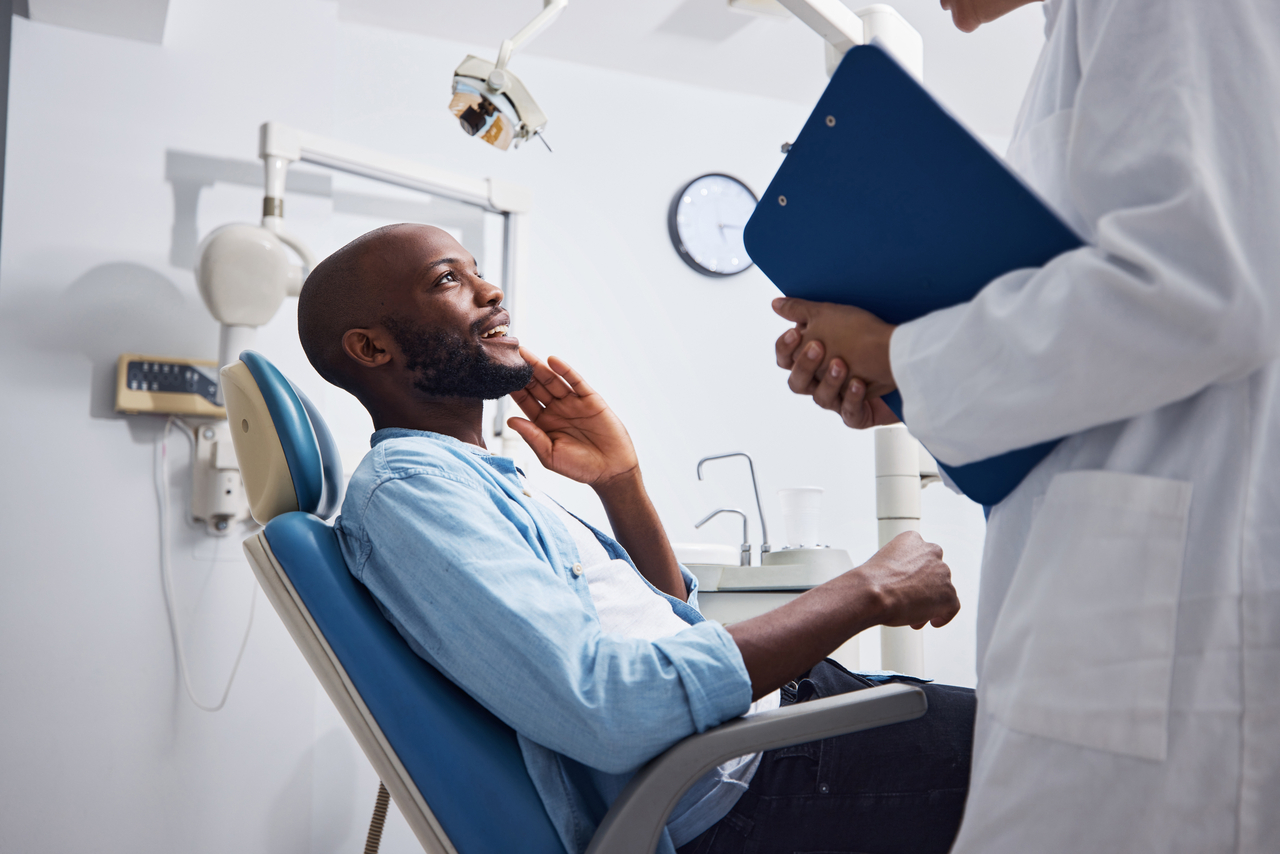
Dental implants are widely considered the most durable option for replacing a missing tooth, but how long they actually last depends on several factors. At Denise Henderson DDS in Palo Alto, Dr. Henderson works with patients throughout every stage of the implant process and regularly answers questions about what to expect over the years ahead.
What Determines How Long a Dental Implant Lasts
With proper care, the titanium post that anchors a dental implant can last 15 years or longer, and many patients keep their implant for life. Longevity depends on several factors, including bone density at the implant site, how well the surrounding gum tissue is maintained, and how consistently the patient keeps up with brushing, flossing, and regular dental visits. Habits such as smoking or untreated teeth grinding can also shorten an implant’s lifespan.
The Implant Post Versus the Restoration
It helps to understand that a dental implant has two parts. The post is placed surgically and fuses with the jawbone over several months. The restoration, whether a crown, bridge, or denture, is the visible part attached to that post. While the post itself can last decades, the restoration on top may need replacement sooner, typically after 10 to 15 years, due to normal wear from daily biting and chewing. Dr. Henderson designs and places these restorations at her Palo Alto office, working in close coordination with the surgical provider who places the implant post.
How to Help Your Implant Last as Long as Possible
A few consistent habits make the biggest difference in implant longevity. Brushing twice daily and flossing around the implant site helps prevent a condition called peri-implantitis, an infection of the gum and bone around the implant that is one of the leading causes of implant failure. Routine dental checkups and cleanings allow small issues to be caught early, and wearing a nightguard can protect both natural teeth and implants from the effects of grinding. Patients who smoke are also encouraged to discuss cessation options, since smoking significantly increases the risk of implant complications.
When to See Your Dentist About an Existing Implant
Patients with an existing implant should schedule an evaluation if they notice looseness, discomfort while chewing, gum swelling near the implant site, or any change in how the restoration fits. Addressing these signs early often prevents more significant treatment down the road.
Whether you are exploring dental implants for the first time, recovering from a recent tooth extraction and planning ahead, or need a replacement restoration for an implant placed years ago, Dr. Henderson can help. Learn more about custom implant restoration at Denise Henderson DDS in Palo Alto, or contact our office to schedule a consultation.
Still Have Questions?
We’re here to help. Whether you’re exploring treatment options, unsure about insurance coverage, or wondering what to expect during your first visit, don’t hesitate to reach out. Our team is ready to make your experience with us as smooth and stress-free as possible.
Get in touch with us or call (650) 327-4755 — we look forward to meeting you.